解读刘晓明‘安倍是伏地魔’的檄文
刘晓明的文章,是中日外交较量的成功范例,赢得海内外极高的评价,为中国政府对安倍展开全面的外交攻势,添加了一把利剑。
2014年的头一天,刘晓明大使在英国的《电讯报》发表文章,强烈批评他去年底参拜靖国神社的罪恶行径。
刘晓明开门见山,‘在哈利波特的故事里,黑暗的伏地魔最终死掉了。因为,他赖以作恶的七大神器被销毁,这些神器隐藏着他的灵魂。如果说,军国主义是日本摆脱不掉的伏地魔的话,那么,东京的靖国神社,就像一种作恶的利器,代表着那个国家灵魂最黑暗的部分。’‘In the Harry Potter story, the dark wizard Voldemort dies because the seven horcruxes, which contain parts of his soul, have been destroyed. If militarism is like the haunting Voldemort of Japan, the Yasukuni Shrine in Tokyo is a kind of horcrux, representing the darkest parts of that nation’s soul.’
我本人多次见过刘大使,也多次聆听他的演讲和拜读他的文章。每次间接或直接接触刘大使,都有新的发现。他的口才出众,文章犀利。本次,把安倍比作伏地魔,我为他拍手叫绝。
刘晓明这篇文章在海内外广为流传,主要有下面三大亮点。
第一,他用比喻的笔法,把家喻户晓的当代英国小说和电影《哈利波特》里的邪恶人物,伏地魔用来比喻安倍,把那些邪恶的利器,用来比喻日本军国主义和靖国神社。安倍代表着侵略者无耻的嘴脸,无视中国、韩国、英国和许多遭受日本侵略者迫害的历史事实。
第二,刘晓明多处举例,巧妙的赢得英国,乃至整个西方世界的广泛支持,对安倍形成了一个泰山压顶的外交攻势,充分表现出中国高级外交官过人的政治智慧和外交睿智。
用哈利波特的故事,本身就非常能够赢得英国民众的同情感。与此同时,刘晓明提醒英国是中国二战时期的盟友,是战胜日本军国主义的主战国。他引用即将开映的《铁道人,The Rail Man》作为最有说服力的例子。这是由英国人拍的的电影,反映英国二战时期,被日本俘虏的士兵,是如何遭受日本军蹂躏的。还有,刘晓明用德国和日本战后的不同行为,作为鲜明的对比。他说,对战败国来说,可以有两种选择。一就是彻底反省罪恶,二就是坚持罪恶。他说德国选择了前者,因此赢得世界人民的谅解,也为世界的和平做出了极大的贡献。而安倍的行为表明,日本人选择了后者,继续为军国主义摇旗呐喊,形成对世界和平的巨大威胁。
第三,刘晓明对安倍的声讨,不用激烈的语言,却把安倍骂的体无完肤。
刘晓明先把读者的眼球深深吸引住以后, 就开始对安倍进行人工剥皮。他一层一层的剥,实在是淋漓尽致,令人拍手称绝。安倍犹如一头被按在地下的猪,任由他想怎样剥,就怎样剥,连反手的可能性都没有。
例如,在开场白的比拟以后,刘晓明接着描述安倍如何‘拜鬼’,把靖国神社的历史清楚而简单的描述出来。靖国神社供奉着被二战以后由国际法庭判定为一级战犯的14名罪大恶极,沾满受害人鲜血的侩子手。毫无疑问,安倍‘拜鬼’,不仅没有承认日本战争的罪恶,还企图通过‘拜鬼’来抹杀历史。其目的昭然若揭,就是想重新走回头路。因此,中国人民气愤,韩国人民气愤,英国和美国人也不应该忘记,日本军国主义是什么东西?
南京大屠杀,前后两个月,该市的人口锐减80万人,从屠杀前的120万,下降到屠杀后的40万。日本人到处烧光、杀光、抢光,他们连怀孕的妇女、不满周岁的儿童,都同样不会放过。二战时期,日本人对中国人民所犯下的滔天罪行,罄竹难书,中国人民世代都不会忘记、也不能忘记。
刘晓明接着说,‘安倍的个人记录是最好的佐证。2012年上台以来,嘴里不断吐出公义、民主、和平和对话的声音。而实地里,他的行为刚好相反。他不仅没有承认日本的罪恶历史,还厚颜无耻的认为,日本不应该被定义为‘侵略国’。他竭尽全力,美化日本军国主义的侵略行径及其殖民主义统治’。
‘2013年5月,安倍严重冒犯中韩两国,他在一架印有731字样的飞机面前拍照。要知道,731是日本二战时期拿中国和韩国人用来做生物武器实验的密码。’
‘日本企图把中国描述为世界的威胁,以为这样就可以混淆是非,为日本军国主义的重新崛起提供理由。’
中国政府,尤其是外交部,对安倍的‘拜鬼’反应是非常激烈的。中国外长王毅表示,中国官员不愿意面见安倍。外交部发言人说,‘拜鬼行为是最可恶的魔’。安倍‘拜鬼’,不仅是钓鱼岛事情的延续,更是把中日关系推到了两国邦交正常化以后最敌对的境地。
难道日本真想再来一次侵华战争?安倍应该清楚,中国已经不是80年前的中国,更不是120年前的中国了。卢沟桥的事件不可能重现,甲午战争的情形不会重复。
中国驻外的许多名牌大使,从不同的角度,在声讨安倍的同时,也希望外部世界对中国进一步了解,希望得到最大范围的理解和支持。
应该说,刘晓明的文章,是我看到的最有影响力的锐利武器,直接插入安倍的心脏。安倍不仅被描写成‘伏地魔’,更重要的是,刘晓明的文章开创了中国外交的新风格。不仅锐利,而且,妙趣横生。这篇文章,可以作为外交学院和政治学院的学习范本。
附件:刘晓明大使在《电讯报》的英文原文,2014年1月1日
Liu Xiaoming: China and Britain won the war together
Japan’s refusal to face up to its aggressive past is posing a serious threat to global peace
Koreans in Seoul Railway Station watch a TV news program on Japanese Prime Minister Shinzo Abe's visit to the controversial Yasukuni war shrine
In the Harry Potter story, the dark wizard Voldemort dies because the seven horcruxes, which contain parts of his soul, have been destroyed. If militarism is like the haunting Voldemort of Japan, the Yasukuni Shrine in Tokyo is a kind of horcrux, representing the darkest parts of that nation’s soul.
Last week, in flagrant disregard of the feelings of his Asian neighbors, Shinzo Abe, the Japanese prime minister, paid homage at the Yasukuni Shrine, where 14 Class A war criminals – defined as those who committed “crimes against peace” – are enshrined. They were among the 28 Japanese political and military leaders convicted by an international military tribunal after the Second World War.
The Yasukuni Shrine was established more than 150 years ago, and Asian people know very well how it has since been used by Japanese militarists as a spiritual symbol to launch wars of aggression. In addition, it is deeply offensive to witness convicted war criminals being venerated. These were leaders found guilty of inflicting indescribable suffering on countless individuals during the war. Rightly, within hours of Mr Abe’s visit, there were strong condemnations from China, South Korea and across the international community.
Visits to the shrine by Japanese leaders cannot simply be an internal affair for Japan, or a personal matter for any Japanese official. Nor does it concern only China-Japan and Korea-Japan relations. Deep down, paying this kind of homage reveals whether Japan is trustworthy. It raises serious questions about attitudes in Japan and its record of militarism, aggression and colonial rule.
At stake is the credit of that country’s leaders in observing the purposes and principles of the UN Charter and upholding peace. It is a choice between aggression and non-aggression, between good and evil and between light and dark. Regrettably, what Mr Abe did has raised the spectre of militarism rising again in Japan.
Mr Abe’s track record provides evidence. Since taking office in 2012, he has been talking enthusiastically about justice, democracy, peace and dialogue. But the reality is seen in his actions. He is unrepentant about Japan’s militarist past and makes no apologies for it. He has openly questioned whether his country should be defined as an “aggressor”, and did his utmost to beautify its history of militaristic aggression and colonial rule.
In May 2013, Mr Abe caused great offence in China and Korea when he was photographed posing in a military jet boldly marked with the number 731: this was the code of an infamous Japanese biological warfare research facility performing human experiments in China during the war.
With these precedents, the world should be very alert. Mr Abe wishes to amend the post-war pacifist constitution, imposed on Japan by the USA. Close attention should be paid to his colleagues, such as Taro Aso, the deputy prime minister, who asserted that Japan could “learn” from Nazi Germany about revising constitutions. Mr Abe has worked hard to portray China as a threat, aiming to sow discord among Asia-Pacific nations, raising regional tensions and so creating a convenient excuse for the resurrection of Japanese militarism.
Last year, I explained in a newspaper article the key principles concerning the Diaoyu Islands in the East China Sea, and pointed out the severe consequences of Japan’s provocations. This time, I believe Mr Abe has continued his brinksmanship by visiting the Yasukuni Shrine; it has rekindled bitter memories of Japan’s past-war crimes.
We know from history that a country that starts a war and ends up in defeat has two options. One is to face up squarely to its past, make sincere apologies and renounce militarism, as Germany did. The German approach has contributed to regional stability and world peace. It has earned respect and acclaim from the whole world.
The other option is to deny past aggression, allow militarism to rise and raise the threat of war. Unfortunately, Mr Abe’s actions confirm that he favours the second option: he seems determined to lead Japan on to a perilous path. The international community should be on high alert.
Next week, The Railway Man, a film based on a true story, will be released. It tells the tragic story of a British PoW tortured by the Japanese in the Second World War. The film is not only about the atrocities committed by his Japanese captors, but also how one of them is harrowed by his own past. His redemption is only effected through deep remorse and penitence.
China and Britain were wartime allies. Our troops fought shoulder to shoulder against Japanese aggressors and made enormous sacrifices. Sixty-eight years have passed since that horrible war. Yet there are always some incorrigible people in Japan who show no signs of remorse for war crimes. Instead, they seek to reinterpret history. They pose a serious threat to global peace. The Chinese will not allow such attempts. I am sure British and all other peace-loving folk will not remain indifferent.
China and Britain are both victors of the Second World War. We played a key role in establishing the post-war international order that has delivered great benefits for mankind. Our two countries have a common responsibility to work with the international community to oppose and condemn any words or actions aimed at invalidating the peaceful post-war consensus and challenging international order. We should join together both to uphold the UN Charter and to safeguard regional stability and world peace.
Liu Xiaoming is the Chinese ambassador to the United Kingdom。

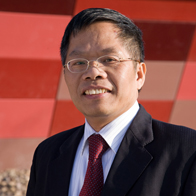
本文作者信息
姚树洁(诺丁汉大学当代中国学学院院长、经济学教授)
邀请演讲广告、内容合作请点这里:寻求合作
咨询·服务